

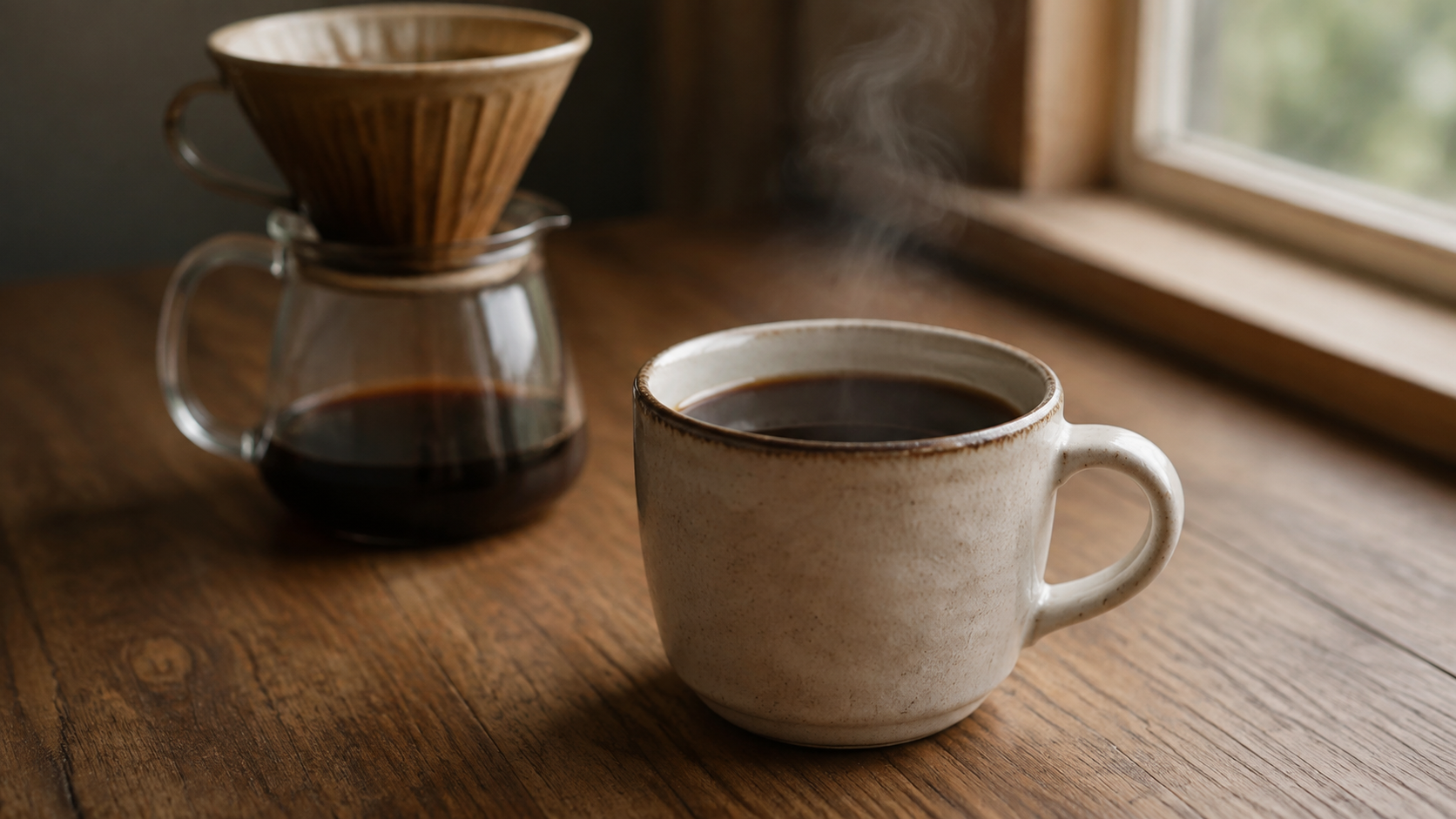
Smooth is a feeling as much as a flavor.
When people describe coffee as smooth, they are usually talking about the whole experience of the cup. It goes down easily. No harsh bitterness takes over. The acidity feels pleasant rather than sharp, and the finish does not leave an unpleasant aftertaste. Smooth coffee can still be rich, bright, or bold. It simply feels balanced.
Smooth does not mean flavorless
A weak cup may be easy to drink, but that is not the same as smooth. Good smooth coffee still has aroma, body, sweetness, and a recognizable character. The flavors work together instead of competing. You should be able to notice the coffee without feeling that any one part is too aggressive.
Origin shapes the starting point
Different growing regions tend to produce different flavor profiles. Brazil is often associated with a round body and gentle nutty or cocoa-like qualities. Colombia is known for balance and approachable sweetness. Costa Rica can offer a clean, crisp cup when brewed carefully. The origin gives the coffee its foundation, while the roast and brewing method shape how that foundation reaches your mug.
Roast changes the balance
Light roasts preserve more of the coffee’s original brightness and distinctive character. Medium roasts often balance origin flavor with caramelized sweetness. Dark roasts emphasize deeper roasted notes and heavier body. Many people who ask for smooth coffee enjoy a medium roast because it lands between sharp brightness and heavy roast flavor, but personal preference still matters.
Freshness keeps flavor clean
Coffee loses aroma and complexity after roasting and especially after grinding. Older coffee can taste flat, stale, or strangely bitter. Whole beans ground shortly before brewing usually give you the most control, but properly stored ground coffee can also make a satisfying cup. Keep coffee sealed away from heat, moisture, light, and strong odors.
Brewing can create or remove harshness
Water that is too hot, coffee ground too finely, or an overly long brew time can pull out dry and bitter flavors. Water that is too cool, a grind that is too coarse, or too little contact time can create a thin, sour cup. Use a consistent recipe and change one variable at a time. That makes it easier to find the balanced result you want.
For more context, read Best Coffee to Drink Black and How to Choose the Right Coffee for Your Taste.
Your definition of smooth is the one that matters
One person may describe a mellow Brazil as smooth, while another prefers the clean balance of Colombia. Pay attention to what you enjoy: low perceived acidity, a round body, gentle sweetness, or a clean finish. Once you know what smooth means to you, choosing your next coffee becomes much easier.
Find your version of smooth with freshly roasted coffee from Cimarron Coffee Company.